

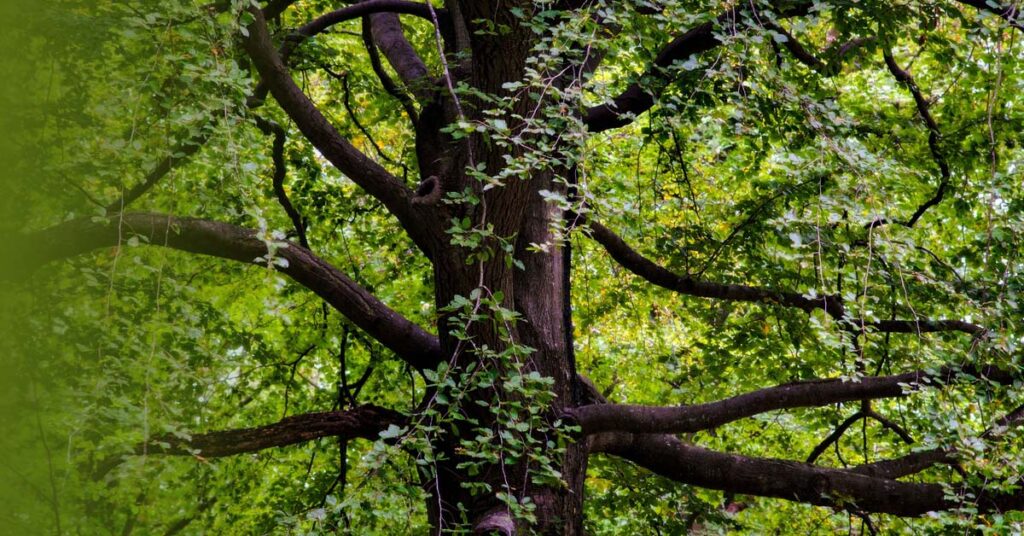
Black walnut trees are highly sought-after for several reasons. Besides the abundant nuts they produce, they are sources of unique and rich-toned wood used to build things like luxury furniture and musical instruments. If you have black walnut trees on your property, you may be curious about their value.
This guide explains why black walnut is so valuable and highlights some ways to determine how much your trees are worth.
Why Is Black Walnut So Expensive?
Several factors contribute to black lumber's value in the lumber market.
- High demand: Black walnut trees are in high demand among a range of craft professionals and industries that value their durable, beautiful wood. Commonly used for premium-quality products, these hardwoods are easy to carve and polish, making them ideal for intricate designs.
- Rarity: It takes anywhere from 50 to 100 years for black walnut trees to reach maturity, at which point their timber becomes more valuable. This species' slow growth rate makes supply limited, all the more reason it can fetch such high prices.
- Distinctive grain and rich color tones: Black walnut wood is visually striking, featuring distinctive grain patterns and rich, vibrant colors. These aesthetic qualities set it apart from other types of hardwood.
- High cost of sourcing and processing: Because black walnut trees are rare, they are more expensive to source and process. From harvesting to finishing, every stage contributes to the premium cost.
Black Walnut Categories
Black walnut trees command high prices, but their wood value varies by product type. Here's what sets the different price points apart and why.
- Stumpage: Landowners can sell standing black walnut trees in their current, raw state. Compared to other species, unprocessed black walnut standing trees can still fetch a high price. Rates can vary from $1,000 to $3,000 per thousand board feet. However, this tier is the lowest because the buyer assumes all the risks and labor costs associated with harvesting the trees.
- Logs: This tier comprises harvested black walnut trees that workers have already cut into logs. Logs are worth more than stumpage because they don't require buyers to put in as much work. The price range of black walnut logs is typically upward of $2,000 per thousand board feet, subject to other essential factors.
- Lumber: Out of the three tiers, milled black walnut lumber boards are the most expensive. The higher prices are justifiable because they incorporate the labor needed to harvest, dry and process the wood.

Determining How Much a Black Walnut Tree Is Worth
Quality and quantity are the basis of determining the wood value of black walnut trees. However, they are not the only factors that influence price.
Size
Size matters when valuing black walnut trees. Buyers assess two primary measurements.
- Diameter at breast height: The diameter of your black walnut tree is a good indicator of its commercial potential. Larger trees provide more heartwood and yield, and are therefore more valuable.
- Height: This measurement refers to the straight, usable portion of your black walnut tree's trunk before it divides into forks or branches. Longer trunks produce a higher volume of premium rough-cut timber.
Quality and Grade
Black walnut woods fall into two broad quality levels — veneer-quality and sawmill-grade. While both grades are valuable, one is significantly more expensive.
- Veneer-quality: Flawless, straight black walnut trunks are in this “unicorn” category. They have higher-end uses and are correspondingly worth more.
- Sawmill-grade: Though straightness and flawlessness are pluses, they are not strict requirements for this standard high-quality tree category.
Presence or Absence of Defects
Defect-free woods are higher in commercial value than woods with blemishes. These flaws may affect the final selling price.
- Metal: This factor can significantly limit the value of black walnut trees, especially those grown in urban or residential areas. Hidden metals in wood, such as nails and wires, pose a serious risk to sawmill machinery, making these trees unattractive to commercial buyers.
- Biological defects: Defects caused by rot, seams and mineral streaks can reduce the quality and value of black walnut trees. Conversely, the absence of such defects commands premium prices.
- Insect and pest damage: Black walnut trees with imperfections caused by insects or pests are typically worth less.
Location and Accessibility
The location and accessibility of your black walnut trees can also significantly impact their value. For instance, if your land is near a sawmill, buyers will spend less on transportation and may be willing to offer you more money. On the other hand, trees located in urban and residential areas have increased risks of embedded metals, which can reduce their value.
Quantity
It's rarely profitable for commercial loggers to expend their resources for single or smaller quantities of trees. The more black walnut trees you have to sell, the more buyers will be willing to pay.
How to Estimate Black Walnut Tree Value
If you're interested in profiting from your trees, start by estimating how much a full-grown black walnut tree is worth. Arming yourself with this knowledge can help you determine which offers are worth pursuing.
- Confirm the species: Black walnut trees resemble a few other species with similar leaves, bark and smell. To begin your assessment, confirm that the trees on your property are indeed black walnut and not impostors.
- Measure the diameter and height: You can do this yourself or hire a professional to take the measurements and determine the value of your tree.
- Look for red flags before contacting buyers: A quick assessment helps you set realistic expectations and prepare for the sale. For example, if any of your trees contain embedded metal, you can address that issue ahead of time to avoid surprises during valuation.
- Assess the quality: Look for details such as defects and straightness. If your trees are straight and defect-free, you can sell them for a higher price.

Get Top Value for Your Black Walnut Tree at Beiler's Sawmill
Partnering with Beiler's Sawmill will get you the best value for your black walnut trees. We've helped property owners like you get top dollar for their trees for over 40 years, and our experience has given us in-depth insights about the nuances of these sensitive transactions. Whether you want to know how much a black walnut tree is worth for lumber or need help evaluating one for sale, contact us today to discover how we can assist you.